

In May, after months of colliding deadlines, dawn-to-dusk work, and not a single day off since 2025, I bought a one-way ticket to Alaska.
My body ached from riding an office chair and hunching over a keyboard. My heart ached from losing my mother and having no time to grieve properly. My soul ached from disappointing everyone — family members, editors, friends, myself — when my grief-fogged brain couldn’t keep promises made by a functioning brain.
I didn’t know what I’d do in Alaska. I only knew I had a place to land and a burning need to get out of my head, away from my desk, and into my body in the living world.
I’d get a job. Anything that didn’t involve sitting at a desk and staring at a screen. Ideally involving manual labor conducted outdoors with minimal cognitive load. I fantasized about joining a road work crew, wearing hi-vis lime, and operating a STOP / SLOW sign.
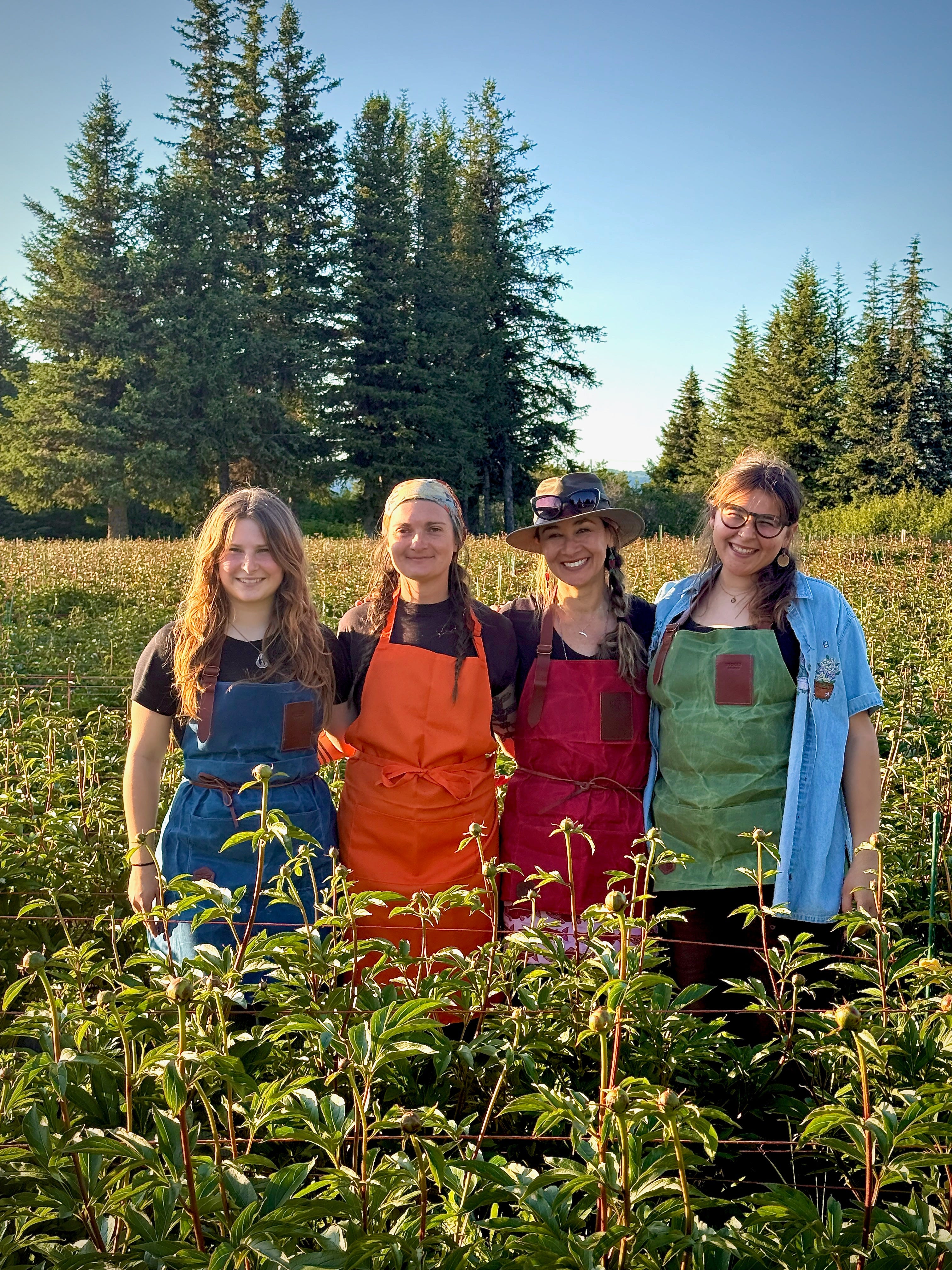
The job that found me is so much better. I’m a peony farm intern on Danish Daughter Farm in Homer, the City of Peonies (and also the Halibut Capital of the World). We grow the latest blooming peonies in North America.
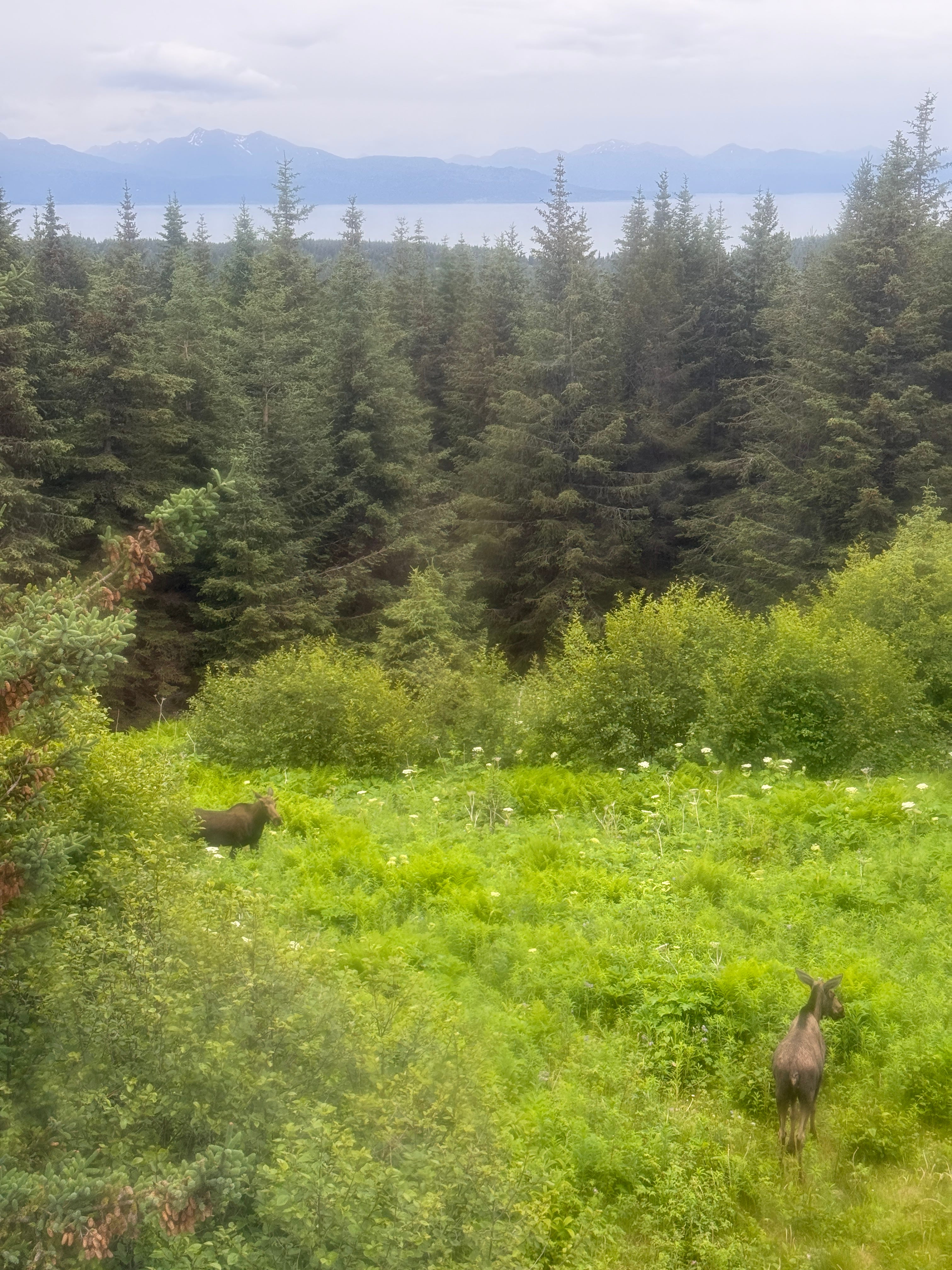
I live and work with three fellow farm interns: Kaitlyn from North Carolina, Nikki from Florida, and Marie from Ohio by way of Australia. We share a three-story house with postcard views of Kachemak Bay and moose that sleep in the cow parsnip outside our bedroom windows and knock over the chairs by our fire pit.
Before this summer, I didn’t know a peony from a pansy. My murderous brown thumb has inflicted inadvertent herbicide upon generations of houseplants and at least one cactus. My horticulture savvy can be summed up in three words: green side up.
It’s not rocket science. (Duh! It’s agricultural science.) I’m learning a lot of things I never expected to learn, like how to identify botrytis, which is something like peony-Covid. But the peonies are teaching me some useful lessons about life.
1. You’re not in control. That’s okay. And normal.
Because of an unusual winter, we’re weeks behind harvest schedule. There’s nothing that can be done but wait and walk the fields every day to monitor growth and do the little tasks that add up over time: weeding, removing sickly buds and stems, and supporting plants with stakes and twine to prevent them from toppling under the weight of their floral abundance. Nature moves on its own schedule, not yours. We have no choice but to practice patience. And acute observation. Waiting for the peonies has forced me to slow down and pay close attention to changes I normally would not notice: the slight growth of a bud, the unfurling of leaves, the way the fields smell on a dewy morning. I have time to marvel at nature’s ability to turn sunlight and rain into explosions of exquisite beauty. Meanwhile, I’m learning to relinquish the need for control, to surrender to the seasons of nature — and life.
2. Too much of a good thing can be bad.
Some peony plants are more ambitious than others. They produce an abundance of buds (productivity!) but all those buds compete for energy, which can result in a lot of mediocre blooms. A peony farmer pinches off secondary buds so the primary buds can flourish. It’s a good metaphor for tightening copy by deleting superfluous words. On a macro scale, I’m trying to edit my life. The scarcity mindset of freelance writing has led me to accept an unsustainable workload. These last few years have found me crushed by the weight of my promises. I’m learning to say “no,” to channel my energy into fewer pursuits and higher quality. In farming, fallow seasons are not only normal, but allow the soil to replenish itself for a more abundant growing season. The same is true in my writing life.
3. Manual labor helps you think (and write).
At home, I dread weeding. On the farm, I’m enjoying getting paid to weed while listening to podcasts and audiobooks. (I’m finally tackling my first James Michener: the 868-page novel Alaska.) Meanwhile, in the back of my mind, I’m processing heavy stuff: eight years of research for a book; what life as an empty nester will be; the vast sorrow of losing my mother. Harvesting rhubarb, pinching side-buds, and pulling dandelions is helping me find my way through all of this. Science shows that doing repetitive tasks with your hands facilitates problem solving. It’s like giving a toddler a toy. The task occupies your conscious mind, freeing your subconscious to do the work. Maybe that’s why a lot of writers have breakthroughs while showering or walking the dog. On writing retreats, I solve riddles while splitting wood.
4. Dirt is good for you.
Research also shows getting your hands in the dirt is good for your mental and physical health. Exposure to Mycobacterium vaccae, a bacteria that dwells in soil, can have an anti-inflammatory effect on your brain, which can boost immune system response, reduce stress, and potentially help with depression, trauma, and PTSD. And then there’s the physiological boost of sun on your skin (hello, Vitamin D!) and bare feet on the ground. Electrically conductive skin-to-earth contact — called grounding or earthing — can have positive effects on inflammation, wound healing, and immune response. When I first heard this, I was skeptical, but fact-checking led me to to multidisciplinary research that supports it.
5. Enjoy the season. Soon it will change.
In my former life as a magazine editor, I’d be coming to work in July, proofing pages for October, editing November, and assigning December. It was easy to forget the real season. In Alaska (and also in Idaho) the seasons are robust and fleeting. The peonies were buried under winter snows, emerged and unfurled their leaves in the spring, and are growing buds the size of golf balls. They will bloom for an achingly beautiful moment, and then they will be gone. My son graduated from high school this spring, and will travel the world on a gap year. This fall, the house will echo with voids left by my son and my mother. But I’m trying not to waste energy worring about that inevitability. The peonies need my attention.
Better Than Carhartts
As an outdoor journalist, I’m always searching for the perfect pack to carry and access reporting gear — notebook, pen, audio recorder, iPhone, sunglasses, reading glasses — while leaving my hands free to paddle, fish, climb, or ride a bike. (The discontinued Mystery Ranch Wingman 3-Way Multi-Pocket came closest.)
I just discovered a pair of pants that eliminates the need for a pack. They’re made by Dovetail, a workwear brand designed for women, by women. The stretch and fit is superior to Carhartts, and the pockets carry everything I need and more. Here’s a quick tour of the Old School High Rise pants, which carry my 4x6” Rite in the Rain notebook, iPhone, pen, audio recorder, readers, and credit cards/ID.
Note: Some gear companies send me products to review. I discovered these in a local shop and paid full price. They’re worth every penny. I also bought the GO TO Stretch Canvas Overalls, which have a similar pocket configuration, plus a chest pocket.
What’s on my nightstand
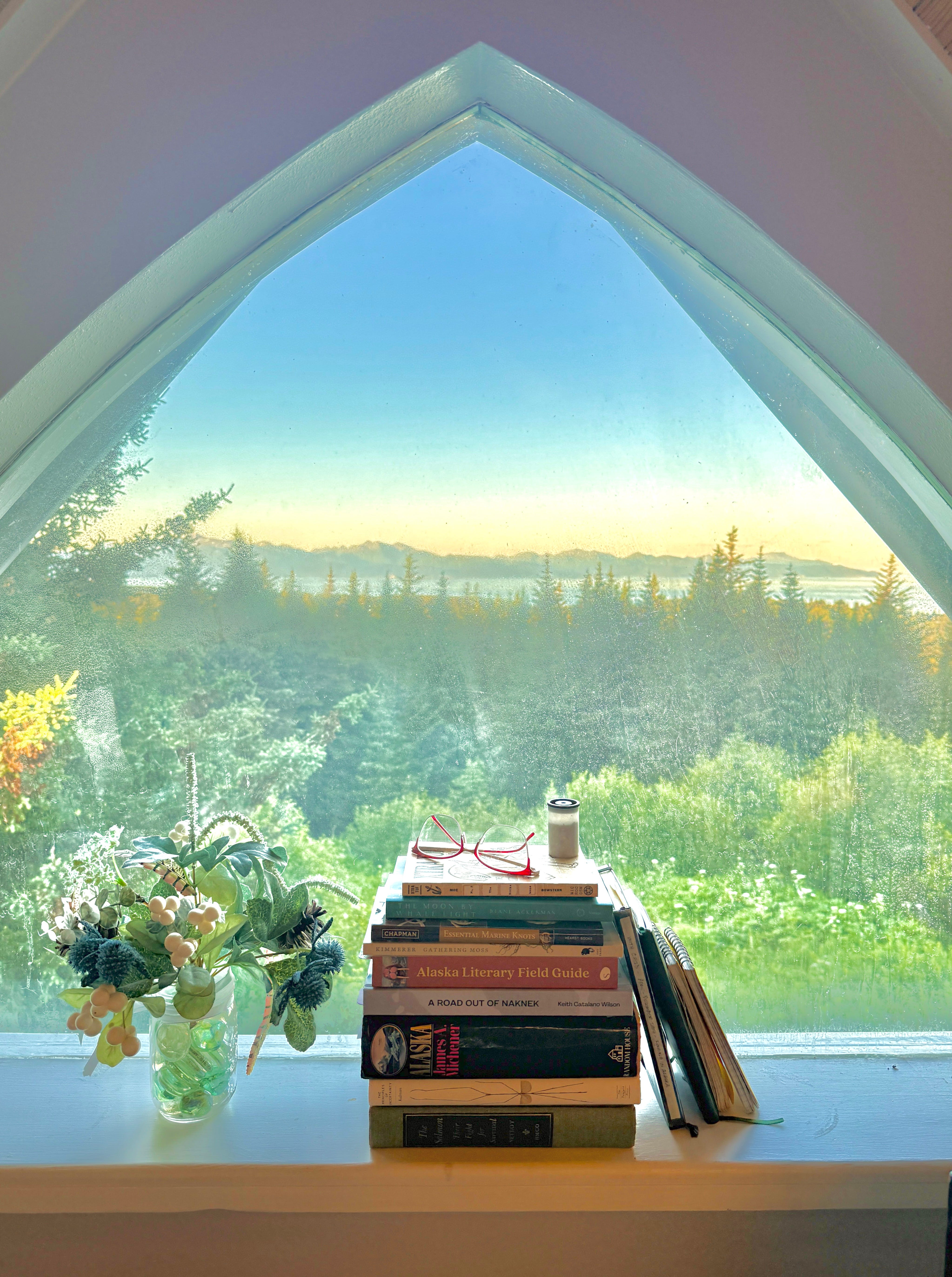
My summer season of not-writing has given me big swaths of time to read. As usual, I’m reading several books at once, with a growing stack on my nightstand. Here’s what’s in the queue:
Alaska, by James Michener
A Road Out of Naknek, by Keith Wilson (my son’s commercial fishing captain/boss)
Alaska Literary Field Guide, by Marybeth Holleman, Nancy Lord, and Shaelene Grace Moler
The Moon by Whale Light, by Diane Ackerman
The Principles of Uncertainty, by Maira Kalman
Gathering Moss, by Robin Wall Kimmerer
Chapman Essential Marine Knots, by Dominique Le Brun
Xtra Tuf: The Strike Issue (poems by commercial fishermen)
What’s New
Catching the King
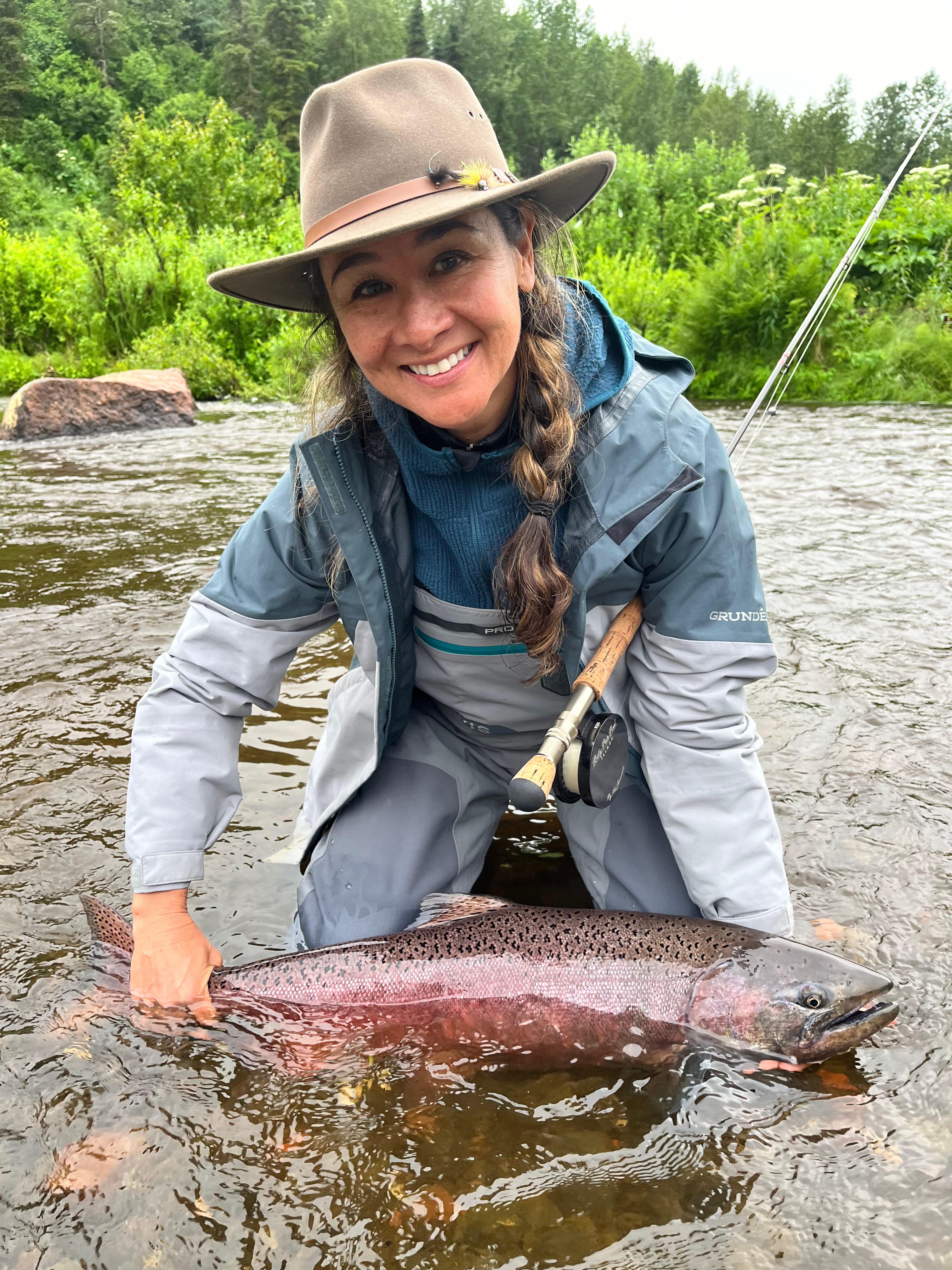
I finally caught the king salmon I failed to catch with my father 18 years ago (the story I wrote about in The King of Tides). It was a hatchery king, and I caught and released it in the Ninilchik River on the Kenai Peninsula with Tyler Alward of Silverfin Guides. We caught it on a raw herring (I’m a fly fisherman, but not too proud to use bait). Tyler removed the head with a bias cut. When stripped upstream, it made the tail end of the bait twitch like a live baitfish. I wrote about it in this story for Travel and Leisure.
On Title Waves and Grief
Writer Jaya-Lynne Ruiz-Acantilado wrote a lovely profile about me for EnVi Media, a multimedia platform covering the Asian diaspora. She provided some backstory on how the Title Waves story came to me and some details about my mother’s death that I haven’t been able to write about yet.
What’s Next
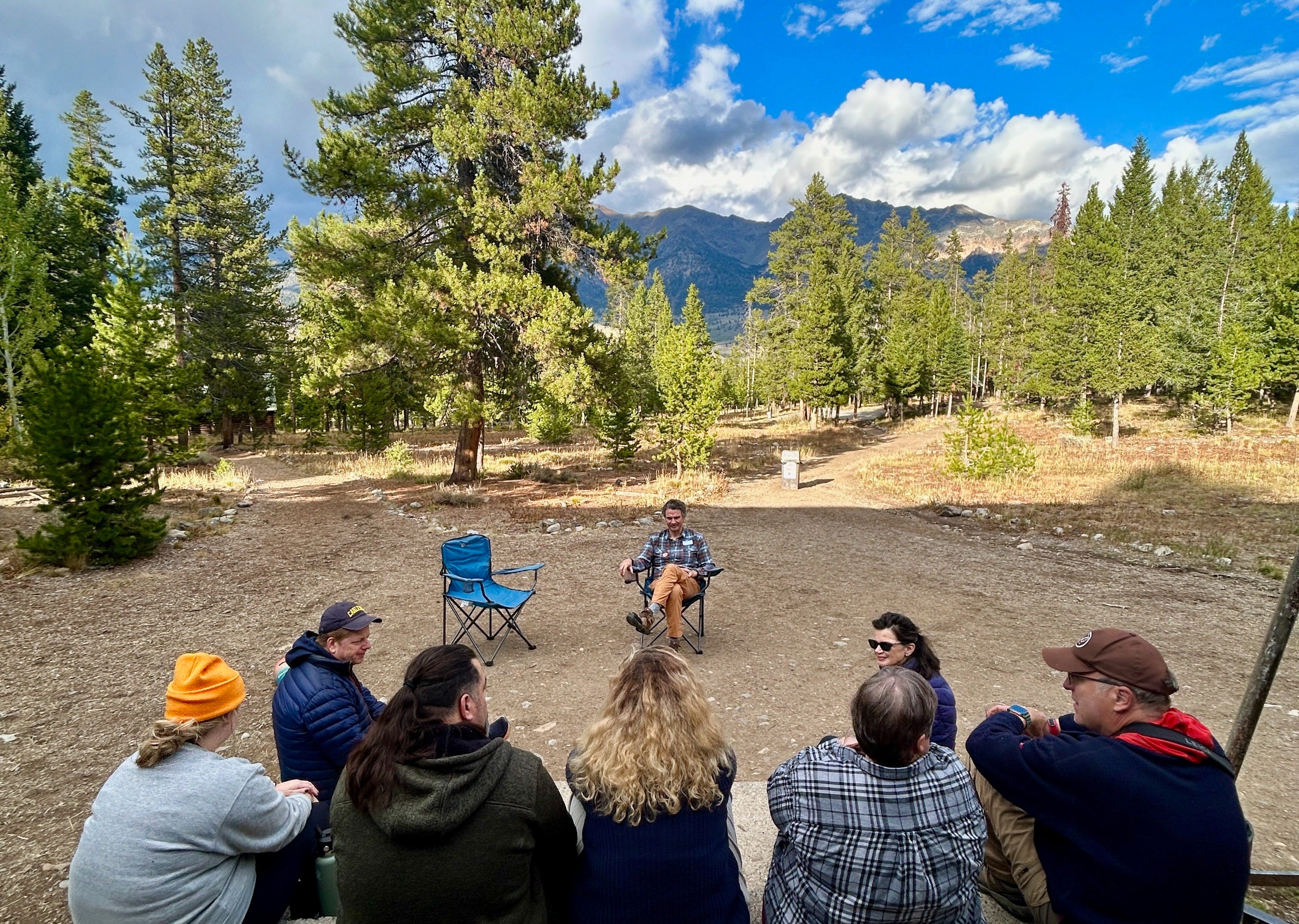
As I mentioned in a previous issue of The Waterproof Notebook, I’m leading two outdoor writing retreats in September. As a writer, the two greatest gifts I’ve ever experienced are writing retreats and time to connect with a community of fellow writers. I want to pay it forward now and share these gifts with you. Please consider treating yourself to this restorative experience. Email me if you have any questions!
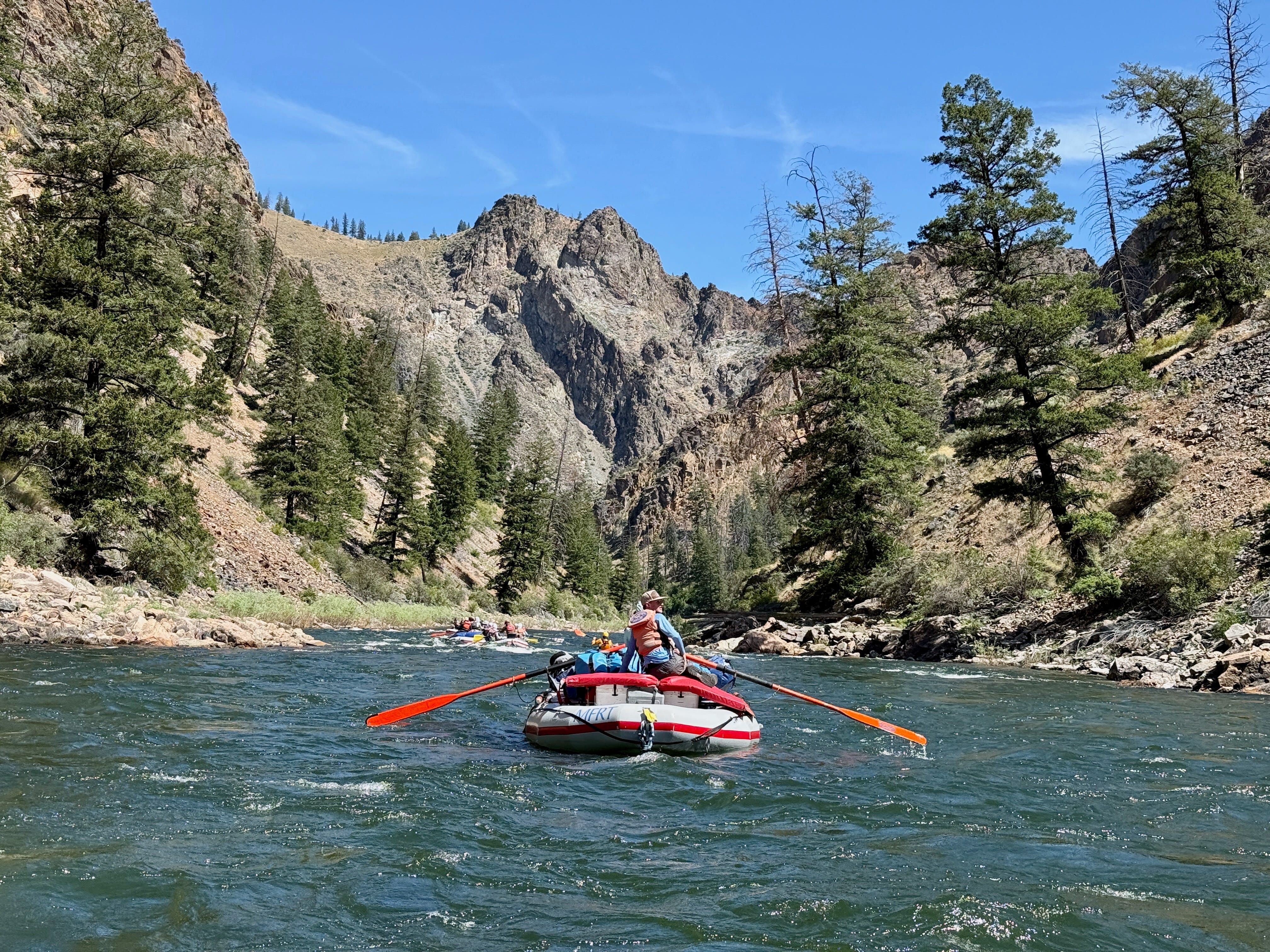
Flow State River Retreat
Sept. 18-22 2026
Who: Writers, editors, and creative thinkers
What: Guided multi-day whitewater trip
Where: Middle Fork of the Salmon River
Why: Get off-grid to incubate big ideas
I can relate, especially to "crushed by the weight": "These last few years have found me crushed by the weight of my promises. I’m learning to say “no,” to channel my energy into fewer pursuits and higher quality."
Kim -- Loved the lessons learned from peony farming. Like you I have a black thumb when it comes to plants, but my daughter Julie and her husband Dave worked on an organic farm in Oregon, and Julie maintains a teaching garden at her school. All your lessons resonate with them! Thank you for distilling and sharing such insight!
-- Kitty